

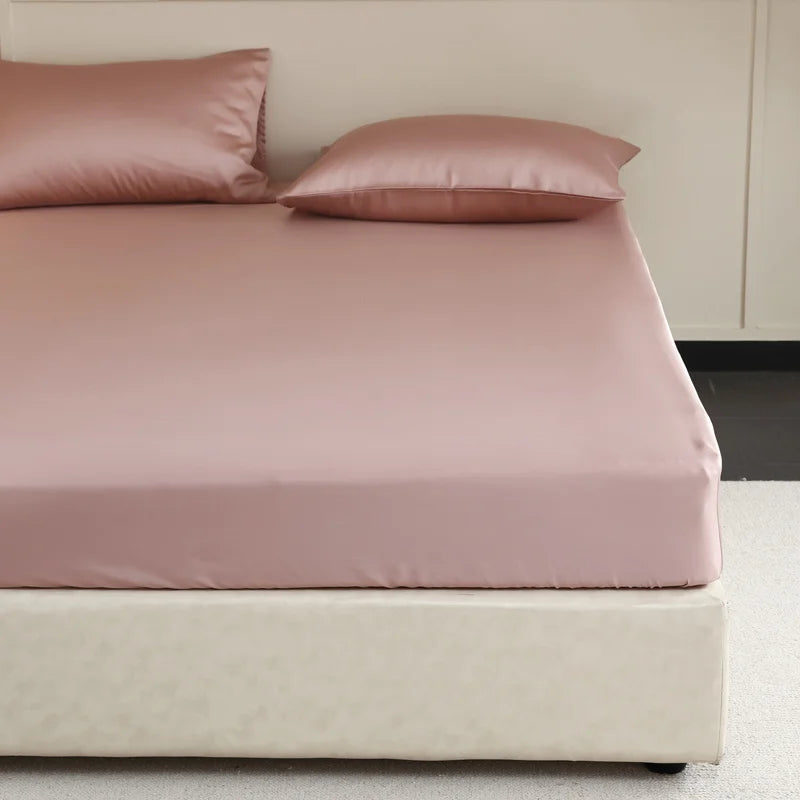
If you want to replace one coloured bedding piece, identify the exact original product and ask about current matching limits before ordering. The same colour name does not establish an exact match across different products or production runs. Decide whether you need a near-identical replacement or a deliberately coordinated contrast.
A single worn or missing piece need not trigger a complete bedroom purchase. The practical challenge is knowing what can be replaced, what evidence the seller can provide and which differences would matter to you. That is a different task from choosing a pleasing colour on a screen.
This guide focuses on replacement identity and production information. It does not provide home-dyeing instructions, diagnose a textile fault or promise a particular colour tolerance. It also does not say that every difference is acceptable: the actual description, item and relevant consumer process still need attention.
Identify the original before searching the colour
Start with the product name, manufacturer or retailer, item type and selected option. Keep an order reference or product code where available. A search for pink pillowcase is much less specific than a search for the actual item you already own.
Check the sewn-in information and any original packaging you retained. Write down what it actually says; do not add a fibre content or range name from memory. A familiar-looking item may come from a different collection with its own specifications.
If the original cannot be identified, acknowledge that limit. You can still look for a suitable coordinating item, but it would be misleading to describe the task as ordering the exact replacement when its identity is unknown.
Distinguish colour name from product identity
A descriptive name such as blush, sage or charcoal is not a unique textile specification. Different ranges and sellers can use the same word for different intended colours. The name helps you find an option but does not by itself establish equivalence.
Even within one retailer, check the actual range, material and item rather than assume every product with the same colour label belongs to a matching system. Ask whether the seller intends those pieces to coordinate and what that statement means.
If you need an exact match rather than a related palette, say so explicitly. A reply that two colours work well together answers a styling question, not necessarily your replacement requirement.
Understand why production information matters
CottonWorks' dyeing guidance identifies consistency from piece to piece and lot to lot as a production objective. That is a technical context for asking about matching; it does not establish the process or result for your particular bedding.
Do not turn the term dye lot into an assumption that every seller can trace or reserve an exact batch for a household customer. Ask what information actually exists for the item you want, whether it can be checked and what the seller can reasonably confirm.
A precise question is more useful than a demand for an unsupported guarantee. “Can you identify whether this current item comes from the same production batch as my original?” leaves room for a clear yes, no or unknown.
Natural variation is also product-specific
Not every variation concerns dyed fabric. For one specific commercial example, Secret Linen Store's natural linen listing explains that its undyed, unbleached fabric can vary in tone and texture and that small batch differences may occur.
That is the seller's description of that particular product, not a policy for all linen or a reason to dismiss a question about another item. It also does not establish that Daylilt stocks linen or uses the same production process.
Read a variation statement in context. Keep the precise product, what the statement covers and the seller's actual description together. A general phrase about natural materials cannot answer every mismatch or order-accuracy question.
Ask what matching evidence is available
Useful evidence might include an identifiable current product code, a written confirmation of the intended matching range or an available sample. Do not assume a swatch service exists; ask before building your purchase decision around one.
If the seller provides a photograph, identify which actual option it shows. A generic image of the range may not represent the item currently available. Equally, a photograph is not an instrument measurement or a promise about the appearance in your own room.
Keep the answer alongside the option you intend to order. A response about the duvet cover does not automatically cover a separately manufactured pillowcase. Make sure the correspondence and basket concern the same item.
Explain what the replacement must achieve
There is a difference between replacing one pillowcase in a visible pair and adding a separate spare sheet. In the first case, close side-by-side appearance may matter much more to you. In the second, fit and useful availability may be the priority.
Describe the role to the seller without expecting them to choose your tolerance. “It will sit beside this existing piece” makes the question concrete. You still decide whether an uncertain match is acceptable for that use.
Also separate appearance from essential function. A closer colour is not a good replacement if the dimensions, closure or contents are wrong. Establish the practical requirements before making shade the only comparison.
Compare the existing piece as it is now
Your existing item has its own history. Record the relevant care and use information honestly if you are asking about a difference, but do not diagnose its cause from appearance alone. This article does not decide whether a change reflects use, care, manufacture or another factor.
A comparison to the old product's original photograph may answer a different question from a comparison to the item currently on your bed. Be clear which one you mean. Neither should be silently substituted for the other.
If you suspect a fault, explain the observation through the seller's appropriate support process rather than start experimenting with treatments. Keep the item and relevant records available while the question is resolved.
Choose between a matching attempt and a planned contrast
A matching attempt is sensible when the original is identifiable and the available evidence is strong enough for your needs. A planned contrast is another valid choice when exact equivalence cannot be established or is not important to the item's role.
Contrast should be intentional, not a way of pretending an unexpected mismatch was promised. Decide before ordering whether a different colour is acceptable and how it will sit within the existing bedding arrangement.
You can also wait. Replacing nothing immediately may be the best option while a necessary answer is missing. A limited-time offer does not supply production information or make the wrong size useful. If an option is discontinued, a stock alert is not a confirmed promise that it will return.
Do not overbuy to solve an uncertain match
A complete new set may provide a coordinated purchase, but that does not make it the automatic answer to one missing piece. Check what you actually need and whether the existing items remain useful.
Compare the quantities offered. A pair of pillowcases is not one replacement, while a set may include a sheet or cover you do not need. Read the current listing rather than infer the contents from the image.
If you choose a larger purchase for a clear reason, keep that reason explicit. You are deciding on a new arrangement, not proving the original single-piece replacement was impossible. Those are different choices with different costs.
A replacement question record
| Field | Record actual information | Do not assume |
|---|---|---|
| Original identity | Range, item, code and selected option | That a familiar colour word identifies it |
| Current replacement | Exact available option and contents | That a range photograph is current stock evidence |
| Matching evidence | What the seller can confirm or leaves unknown | That batch tracing or samples are offered |
| Intended use | Visible pair, spare or deliberate contrast | That somebody else shares your tolerance |
Use the record only for the information that affects this decision. You do not need a complex colour database. A small accurate record is more useful than a collection of screenshots without product identity.
Ask a bounded question before placing the order
A useful enquiry could say: “I own this product and colour option, ordered at this time. I need one replacement for this purpose. Is this current option intended to match, and can you confirm any relevant batch information or matching limitation?”
Keep personal information to what the retailer appropriately needs through its own support channel. You do not need to publish an order reference or address in a public review to ask about a match.
Wait for the actual answer rather than interpret silence as agreement. If the response concerns coordination rather than exact identity, ask the follow-up question before deciding whether it meets your need.
Check the item before changing it
When an order arrives, confirm the selected product, quantity, dimensions and colour option against the order. Follow the seller's appropriate instructions and process before washing, altering or using an item you are unsure about.
This guide does not state a universal return entitlement or a deadline for every market. Check the applicable policy and relevant consumer guidance for your circumstances. Do not assume a statement about batch variation removes all other responsibilities.
Describe any concern specifically: wrong labelled option, unexpected contents or a visible difference beside the existing piece. Those observations help the retailer identify the issue without you needing to decide its technical cause.
Avoid corrective treatments as an experiment
Do not try bleach, a dye bath or a stronger cleaning method simply to move the colour closer to another piece. This article provides no treatment recipe and cannot assess its effect on the fabric, finish or any remaining support options.
Follow each item's actual care instructions. Two visually similar pieces can have different requirements. A successful method used on an unrelated textile is not evidence that it is suitable for your bedding.
If you want professional textile advice about an existing item, identify the material and care information accurately. Keep that separate from a retailer question about whether the new product matches its description.
An illustrative visible-pair replacement
Imagine a fictional customer replacing one pillowcase used beside its original partner. They identify the exact range and ask whether the current option is intended to match and whether relevant production information is available.
The seller cannot establish a same-batch match. Rather than treat that unknown as a promise, the customer decides whether the possible difference matters enough to choose another arrangement. They also check the actual quantity sold before ordering.
This example does not claim that any particular brand's products mismatch. It illustrates a decision that remains reasonable even when a seller gives an honest limitation instead of an exact-match guarantee.
An illustrative spare-sheet replacement
In another fictional case, the customer needs a spare sheet that will not be displayed beside the original. The original colour is unavailable, but an alternative has suitable dimensions, material information and care requirements for their intended use.
They choose a deliberate different colour rather than pursue a near-match that remains uncertain. The decision is based on the spare's practical role, not on a claim that colour consistency no longer matters generally.
The two examples lead to different choices because the purpose differs. That is more useful than a blanket rule to always buy matching pairs or always accept variation.
Keep the useful details for the next replacement
After resolving the purchase, retain the product identity and care information with the household bedding record. Do not invent a batch number where none was supplied. Record what was confirmed and what remained unknown.
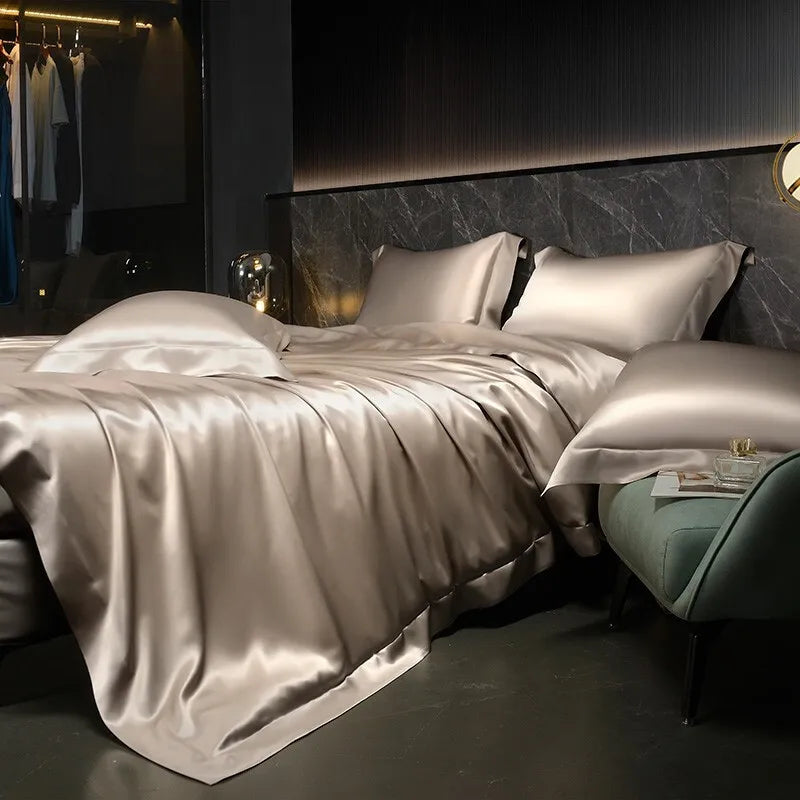
The existing Daylilt photograph accompanying this guide illustrates bedding appearance only. It is not a colour standard, batch comparison or promise that another range will match. Current product-specific information should guide an actual purchase.
Replace the piece by identity and purpose, not by colour name alone. Ask what can genuinely be confirmed, preserve uncertainty where it remains and choose either a supported matching attempt or a deliberate alternative. One clear question can prevent a much larger unnecessary purchase.

Leave a comment
This site is protected by hCaptcha and the hCaptcha Privacy Policy and Terms of Service apply.