

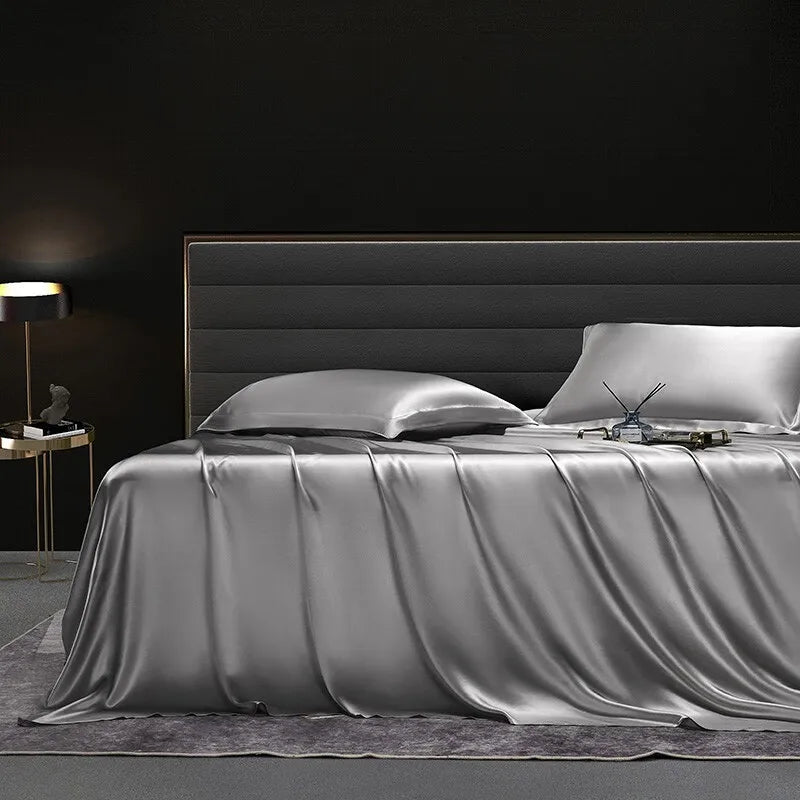
A bedding budget works better when it is attached to a specific change, not a vague ambition to make the whole bedroom feel new. Decide what is bothering you, identify the smallest useful project and set a spending boundary that fits your circumstances. You can choose a considered upgrade without treating every item in an inspiration photograph as part of the purchase.
Perhaps a sheet no longer fits properly, a cover's appearance no longer suits the room or a pillowcase needs replacing. Those are different jobs. They do not automatically require new pillows, a new duvet, matching curtains and a decorative throw. Separating the job from the surrounding styling makes the decision easier to understand.
This article offers ordinary shopping-planning ideas, not personalised financial advice or a recommended spending amount. Your household priorities come first. If wider budgeting is difficult, use a suitable independent resource such as MoneyHelper's budget planner rather than a retailer's suggested bedroom budget. There is no obligation to buy anything to follow the process below.
Name the problem before the product
Write one plain sentence about the change you want. “I need a fitted sheet that suits the mattress” is more useful than “I need better bedding”. “I want a different print on the bed” is clearer than “the room needs upgrading”. A specific sentence gives you a way to reject attractive items that do not serve the project.
Keep practical and aesthetic goals separate even when both matter. A fit problem needs the relevant dimensions and construction information. A visual preference needs the exact appearance and a choice you enjoy. Neither goal is trivial, but confusing them makes it easier to spend on the wrong component.
If the concern is a persistent sleep or health difficulty, do not write a shopping goal that assumes bedding is the cause. Seek appropriate advice for that concern. You can still address a worn case or an awkward sheet, but the product decision should not become an unverified treatment plan.
Set the boundary before browsing
Choose a limit you are comfortable with in the context of your wider household spending. Do not borrow a number from a styling article or assume that an expensive bedroom requires an expensive refresh. This guide deliberately does not prescribe a percentage of income or an amount that every reader ought to spend.
Decide whether the limit covers only the product or the complete project, including any relevant delivery and additional pieces. Use the actual current charges before checkout. An item can appear to fit the boundary until the rest of the intended arrangement is added.
Keep the limit somewhere visible while comparing. If an option exceeds it, the next decision is whether to pause, reduce the project or deliberately reconsider within your circumstances. Do not let a persuasive comparison quietly move the boundary without you noticing that the project has changed.
Check what can stay
Look at the pieces already doing their jobs. The duvet, sheet, pillows or supporting plain layers may remain useful even if you change one visible element. Write a short keep list rather than begin with an empty-room mindset. Keeping something is an active design choice, not a failure to complete a refresh.
This need not become a full household inventory. Check only the components relevant to the project. If you are changing the cover, identify the duvet it must fit and the cases you intend to use. If the sheet is the issue, confirm the mattress setup. A focused check can prevent unnecessary replacement without turning the cupboard into a weekend project.
Be honest about uncertain items. A spare that does not fit or requires unresolved care is not ready simply because it exists. Give that item a clear next question. You may still choose to buy a replacement, but you will understand why rather than discover a usable alternative only after the order arrives.
Compare complete purchase requirements
Put named contents and quantities beside each option. A cover with two cases is not the same bundle as a cover, fitted sheet and two cases. Compare what you would actually need to purchase for your own plan. The lower headline price may still be the better choice, but only after the missing pieces are considered.
Do not count decorative accessories as necessary merely because they appear in the image. A throw may be something you like, but it is a separate decision from obtaining a correctly fitting cover. Label essentials and optional extras separately so that you can reduce the project without losing its purpose.
Check that an intended extra is genuinely available. If your plan relies on buying another matching pillowcase later, ask whether the range offers one separately. Do not assume that a photograph of several pillows proves that all the cases can be ordered individually.
Choose one lead change where that is enough
A bed occupies a large visual part of many bedrooms, so one outer-bedding change may satisfy the look you want. That is a personal styling judgement, not a guaranteed transformation. Compare the exact product image with the room you already have before deciding that the walls, curtains and accessories must change as well.
Try existing supporting layers first. A familiar plain throw or the bedside furniture you already own may work with a new print. Avoid ordering a full collection of decorative pieces before seeing the bedding in your own space. You may find the print supplies the detail you wanted.
If you prefer a broader project, divide it into stages with separate decisions. The first purchase should not commit you to everything else. A pause between stages can reveal what actually needs changing and what looked necessary only when several products appeared together in a styled photograph.
Consider care as part of practical suitability
Read the selected item's care instructions before deciding it is a sensible purchase for your home. An appealing material may require arrangements you cannot conveniently provide. Do not invent a care-cost estimate or assume that every piece can go through your normal cycle. Resolve missing instructions with the retailer.
If specialist care or different equipment is required, establish the actual arrangements and costs relevant to you. This is not a reason to reject a material automatically. It is a reason to understand the ongoing practical decision rather than treat the initial price as the whole story.
Think about a usable spare while the item is being cared for. You may already have one that works. If another purchase would be needed, include that in the project rather than pretend it is unrelated. A set that suits both your preferences and your routine is easier to evaluate than a bargain with essential questions left unanswered.
Do not let a discount rewrite the brief
A sale can change a price; it does not change your mattress dimensions, the contents you need or the material information. Return to the original sentence before adding an offer to the basket. If the product does not solve the named problem, a lower price does not make it the right project.
Use the actual payable total for the exact selected option. Do not compare a range's starting price with a different size or colour you intend to buy. Likewise, a crossed-out price does not prove that the offer is valuable to your household. Your comparison should remain grounded in the item and verified specification.
If an essential fact is missing, pause rather than allow an expiry message to force a guess. A retailer response about the selected product is more useful than a rushed assumption. You can decide not to purchase, even after spending time browsing or saving the image.
Keep a small comparison sheet
Choose a few relevant options rather than collect an endless list. Record the exact variant, named contents, total cost, fit information and care requirement. Add one sentence about why it serves the project. Leave unknown facts visible and identify which would change the decision.
| Decision | Question |
|---|---|
| Project fit | Does this item directly address the change I named? |
| Complete cost | What would I actually pay for the required pieces and relevant charges? |
| Practical use | Are the selected dimensions, contents and care arrangements suitable? |
| Remaining uncertainty | Which answer must I obtain before choosing? |
The sheet is not a scoring formula that makes the decision for you. It simply stops the comparison changing shape every time a different image or offer appears. You can then decide which verified features matter to you without pretending every preference is measurable.
Three illustrative projects
The loose-sheet project
Someone likes the room and the rest of the bedding, but the fitted sheet repeatedly comes away from the mattress. They check the mattress setup and the current sheet's specification before browsing. Their project concerns fit, not a whole-room colour change. A new duvet cover would not automatically address it.
The visual-refresh project
Another person wants the bed to feel different visually while keeping the filled duvet and furniture. They compare exact outer-bedding images, contents and dimensions. They hold off on extra cushions and curtains until the main change is assessed. The budget remains attached to the visual goal rather than expanding with every accessory in the photograph.
The replacement-case project
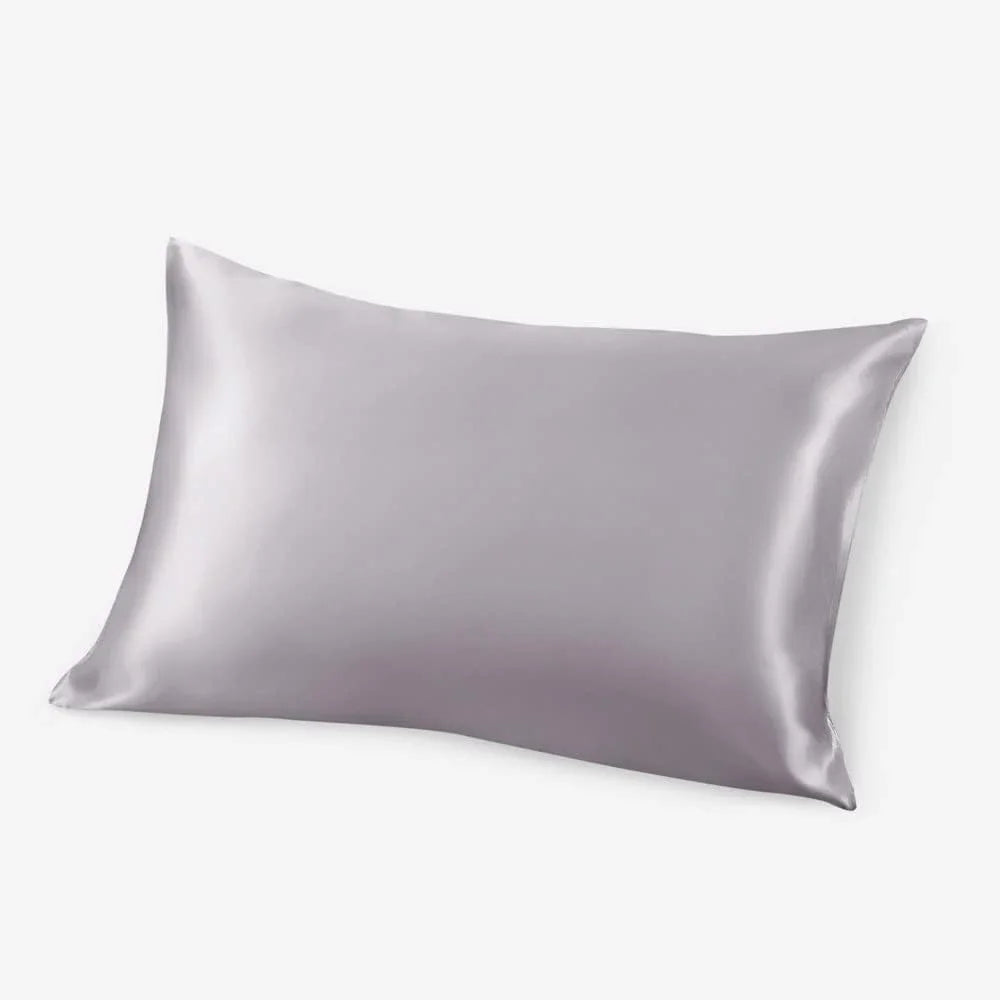
A household needs a usable replacement pillowcase and finds a complete set that looks appealing. They compare the actual requirement with the larger bundle, including fit and care. They may still choose the set if it serves a deliberate wider plan, but they do not describe every additional piece as necessary solely to justify the purchase.
Let appearance remain a valid preference
Careful budgeting does not mean buying the plainest or cheapest item. You may value a particular print, finish or coordinated look. The point is to know that this is the reason for the choice and to keep the spend within a boundary that works for you. Aesthetic enjoyment does not need an unsupported health promise attached.
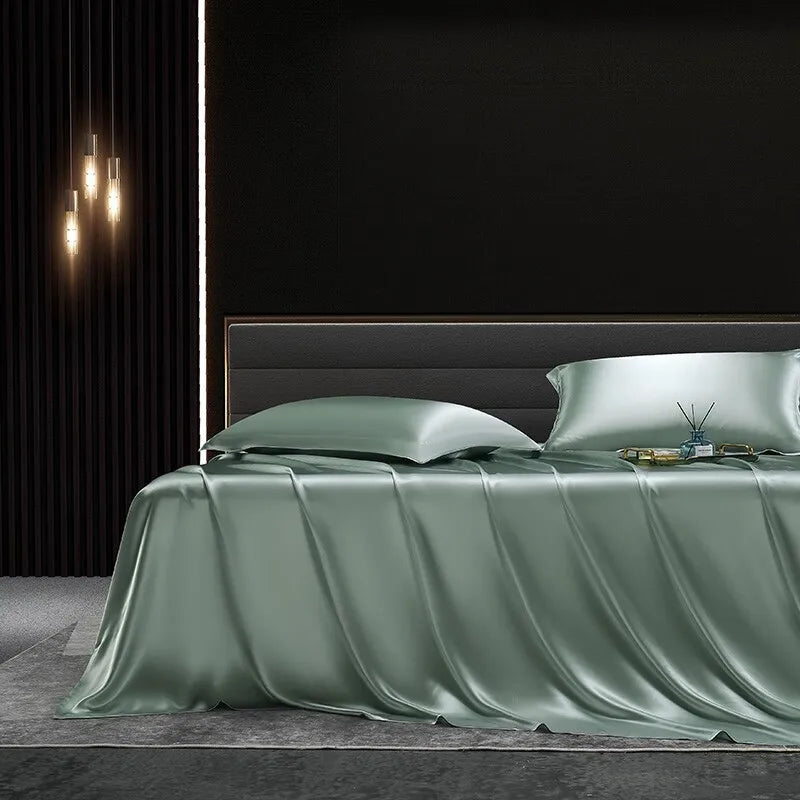
Daylilt's Soft Horizon gallery offers different prints to compare with your room. Use the exact selected colour and current specification, and do not assume a screen certifies physical colour. This is an option to evaluate, not a recommendation that every budget project needs a complete four-piece set.
If the item you prefer is not suitable for the current project, keep the idea separately rather than stretch the definition of what you need. You can appreciate a product without buying it today. A considered wish list and an immediate purchase list are different tools.
Treat cost-per-use calculations as assumptions
A retailer may describe an item as costing only a small amount per night. The arithmetic depends on how long and how often it is used. Unless those inputs are evidenced for your situation, the result is an illustration rather than a promise of value. A calculation does not establish durability or prove that you will still like the item later.
You can use your own cautious comparison if it helps, but keep the assumptions visible. Do not turn an imagined long lifespan into permission to exceed a comfortable spending boundary. The actual purchase price and practical suitability remain real today; the future pattern of use is less certain.
The same applies to claims that a coordinated set saves future purchases. It might cover several pieces you genuinely need, or it might add pieces you would not otherwise buy. Return to your project and compare the required contents, not a hypothetical shopping list created to make the bundle appear economical.
Check the final basket against the original decision
Before ordering, read the exact selected option, contents, dimensions and current charges again. Remove extras that have no clear purpose unless you deliberately want them and have allowed for them. Make sure the final total still fits the boundary you chose rather than the one that browsing gradually suggested.
Keep the relevant order and product information so that you can check the delivery. If something differs from the order, use the retailer's current support and returns process. Do not wash or alter an uncertain item simply to make it work before clarifying the issue.
A sensible bedding budget begins with what you want to change and what can remain. Compare the complete purchase, resolve the important unknowns and allow yourself to pause. The best project is not necessarily the smallest or the most expensive. It is the one whose scope, facts and cost make sense together.

Leave a comment
This site is protected by hCaptcha and the hCaptcha Privacy Policy and Terms of Service apply.