

When two single mattresses sit in one frame, buy bedding for the actual arrangement, not just the combined bed name. Establish whether they are separate, joined by a designed system or independently adjustable, then confirm which layers may cover one or both. Two mattresses beside each other do not automatically make one standard mattress.
The distinction is easy to miss in a product photograph. A bed can look like one wide sleeping surface while having two separate mattresses underneath. The fitted sheet, protector, topper and top bedding each need their own decision; they do not have to follow one identical configuration.
This guide concerns textile planning for a bed you already own. It does not advise on constructing, joining or repairing beds, filling a central gap or assessing the safety of a frame. Obtain the relevant bed manufacturer's instructions before changing how its parts are used.
Identify the arrangement before measuring
Write down the frame and mattress model information where available. Are the mattresses designed to work together, or have two separate items simply been placed side by side? Does the system have a specified linking method? These are questions for the bed supplier, not conclusions to draw from a fitted-sheet size.
A purpose-built arrangement has its own instructions. For example, Hypnos describes its zip-and-link system as separate mattresses joined along their length, with divans linked at the head and foot. That describes this manufacturer's designed system; it is not permission to join other mattresses with improvised fastenings.
If the bed is independently adjustable, use its actual compatibility instructions before selecting any layer. Do not assume this article's discussion of a fixed side-by-side arrangement applies to moving sections. A fabric choice cannot authorise a configuration the manufacturer does not support.
Measure the individual surfaces and the combined footprint
Record each mattress's width, length and relevant depth. Record any approved topper or other layer that changes what a fitted sheet must cover. If the two sides differ, keep both measurements visible instead of averaging them into one approximate size.
Then record the combined arrangement as it is intended to be used. This helps distinguish a sheet for each mattress from a layer that spans both. Do not assume two nominal single labels establish the exact finished footprint of your own bed.
As a purely arithmetic example, two hypothetical rectangular surfaces each 90 centimetres wide and 200 centimetres long would together be 180 centimetres wide if placed flush alongside each other. That calculation is not a claim about your mattress dimensions, frame fit, joining suitability or any Daylilt product.
Give each layer a separate question
Make a short list from the mattress upwards: protector, any approved topper, fitted or flat sheet, duvet or other appropriate top bedding, and covers. For each item, note whether you need two separate pieces or one shared piece, then ask about compatibility where necessary.
Do not let one decision silently control the rest. Separate fitted sheets do not oblige you to use separate duvets. Equally, a shared duvet does not establish that a single fitted sheet is suitable for both mattresses. The layers serve different practical purposes.
If a mattress or bed supplier specifies a particular type of layer, keep that requirement with the shopping information. A retailer's appealing bedding photograph should not override the instructions relevant to the bed itself.
Two fitted sheets: identify each actual fit
With an appropriate separate-sheet arrangement, each fitted sheet needs to match the mattress it will cover. The two sides may have the same requirements, but verify that rather than assuming it. Depth, approved layers and finished product dimensions still matter.
Check whether the listing sells one sheet, a pair or a wider bedding bundle. A photograph of a complete bed does not establish the quantity supplied. If you need two, confirm the order actually contains two suitable fitted sheets rather than one sheet and unrelated pieces.
Keep care instructions alongside the dimensions. The fact that two sheets fit does not mean you can use the same washing and drying method for both. It is simpler to understand those differences before choosing a mixed arrangement.
One spanning sheet: ask before assuming
If you want one sheet over both mattresses, ask the bed or mattress supplier whether that use is appropriate for the exact setup. Then confirm the bedding supplier's actual dimensions and fit requirements. A combined width alone leaves unanswered questions about the underlying arrangement.
Do not use tight bedding as a method of holding unrelated mattresses together. A sheet is not a structural joining component. This guide recommends no straps, fasteners, gap fillers or modifications to make a mismatched bed behave like a designed system.
When the relevant supplier cannot confirm the intended use, keep compatibility unresolved rather than declaring the largest available size suitable. It may be better to choose a different approved arrangement than to force a textile to solve a bed-system question.
Protectors and toppers are not automatically interchangeable
Keep the identity and instructions of a protector separate from those of a topper. If a product is intended to cover a particular mattress arrangement, confirm that intended use. A photograph or familiar size label is not enough to establish suitability for two surfaces.
Likewise, do not assume a topper can correct an unsuitable gap or connection. This article does not recommend covering a structural problem with another layer. Ask the bed supplier about the actual concern before treating it as a bedding-shopping task.
If you are replacing only one existing layer, record how the current approved arrangement works before removing or purchasing anything. That gives the relevant supplier a specific question rather than a vague request for something suitable for a large bed.
Shared top bedding versus separate top bedding
Decide how the people using the bed prefer to arrange the top layers. One shared duvet and two separate duvets create different shopping lists. Neither arrangement follows automatically from the number of mattresses underneath.
For separate duvets, each cover must fit its own inner. Do not substitute the combined bed width for the duvet's dimensions. For shared top bedding, confirm the actual inner and the intended coverage rather than rely solely on a king or super-king label.
This is a practical preference decision, not a claim that separate bedding guarantees better sleep or prevents disturbance. You can choose an arrangement for clear everyday reasons without attaching a health promise to it.
A coordinated set may not solve the sheet requirement
A bedding set can contain pieces that suit some parts of the arrangement but not others. Check every included item's quantity and dimensions. If the set includes one fitted sheet, that is a different proposition from the two separately fitted sheets you may have planned.
Do not buy a whole set just to obtain one desired piece unless the remaining contents have a useful role. Conversely, a set may be appropriate when its actual components match your plan. The important point is to compare the contents rather than the impression created by the word set.
Separate pieces can also be a sensible choice, but check whether the products are actually offered separately. Do not assume a retailer will split a bundle or supply a second matching sheet outside its listed options.
Compare naming systems cautiously
Bed-size names vary between markets and listings. In a two-mattress arrangement, there are already several measurements to keep straight, so use centimetres and the product's stated finished dimensions as your comparison information.
If a retailer provides both a bed label and a size table, read the table for the exact option. Ask about an inconsistency before ordering. Do not decide that one familiar name overrides a different written dimension.
Keep the measurement record small enough to use while shopping. Two mattress rows, one combined-footprint row and the actual duvet sizes are more useful than a long list of every international bed-size label.
Plan changes of configuration explicitly
A designed system may allow one joined bed to become two beds. If you intend to use that feature, ask what bedding is needed in each approved arrangement. A single shared piece may suit one setup without serving both independent beds.
Separate the occasional conversion from everyday use. You might keep additional suitable pieces for the less frequent arrangement rather than buy every item as though both configurations are needed simultaneously.
Follow the manufacturer's conversion instructions and obtain appropriate help with handling where needed. This article does not supply a procedure for unlinking, moving, turning or reconnecting mattresses and bases. Textile planning is not a substitute for those instructions.
Keep the changeover understandable
If other household members make the bed, identify which piece belongs on which side where that matters. Use an ordinary storage label rather than rely on somebody recognising a subtle difference in fabric or pocket depth.
Record the approved arrangement with the bed information, not only in an online shopping basket that may disappear. A short description can prevent a future replacement being chosen from the combined size alone.
If the two sides are identical, the record can say so. You do not need to invent complexity. The purpose is to preserve the details that matter, especially when one piece is replaced later.
A layer-by-layer buying record
| Layer | Separate or shared? | Evidence to keep |
|---|---|---|
| Protector or approved topper | Confirm for the actual system | Supplier instructions and product identity |
| Fitted sheet | One per mattress or confirmed spanning use | Individual depth and finished sheet dimensions |
| Duvet cover | Match the chosen inner or inners | Actual duvet dimensions, not mattress width |
| Optional configuration change | List what changes between uses | Manufacturer's permitted setup and extra pieces needed |
This is a shopping record, not a compatibility certificate. A blank entry should become a supplier question rather than a confident assumption. Keep the relevant answer with the exact model or option it addresses.
An illustrative separate-sheet arrangement
Imagine a fictional household with a fixed bed designed for two mattresses. The bed supplier confirms its intended setup. The household prefers two suitable fitted sheets and one shared duvet, so the shopping list separates the sheet measurements from the duvet dimensions.
They inspect a coordinated set and discover it contains only one fitted sheet. They do not assume the image's wide bed means two will arrive. Instead, they compare an actually available combination that supplies the right pieces.
The example makes no claim about a named bed or product. It illustrates why the number and role of the layers matter more than the appearance of a fully dressed bed.
An illustrative occasional-twin arrangement
Now imagine a guest room with a manufacturer-designed system used joined most of the time and separately on some visits. The owner checks the permitted configurations and records the linen requirements for each.
They decide which existing pieces remain useful in both arrangements and which additional pieces are genuinely needed. They do not assume one shared duvet cover can serve two separate inners or that changing the bedding alone converts the bed.
The result is a clearer cupboard and a less confusing changeover, not a guaranteed sleep improvement. The same process can reveal that a planned configuration needs further supplier advice before any purchase.
Keep an unresolved answer out of the basket
If a retailer cannot answer a necessary compatibility question immediately, save the product details and wait for clarification. A sale countdown does not establish fit. Buying first and hoping a layer works can leave the original question unanswered while adding a return to organise.
Use the photograph for appearance, not compatibility
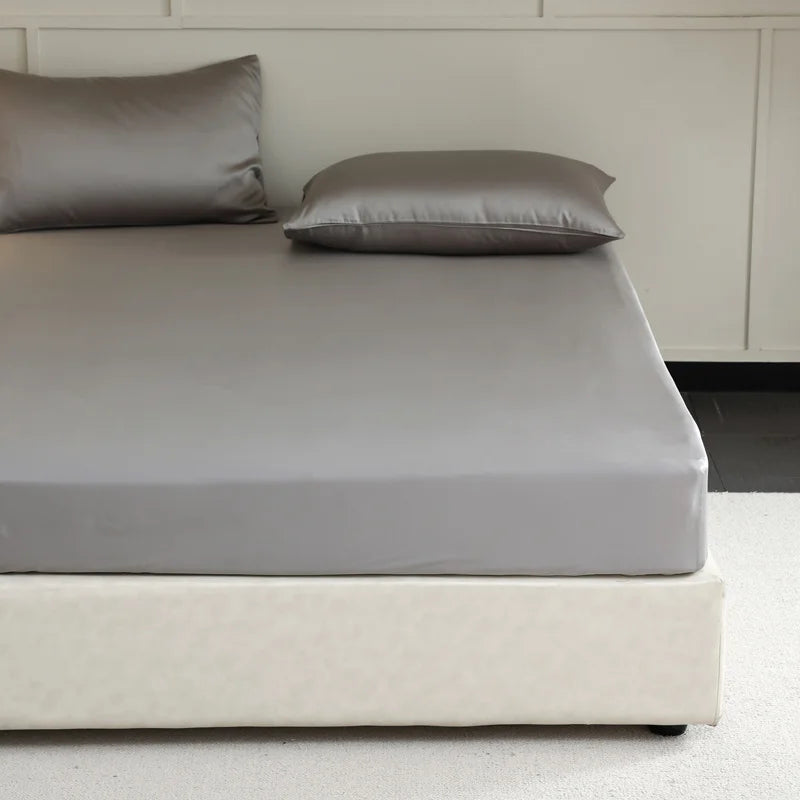
The existing Daylilt bedroom image accompanying this guide shows bedding appearance. It does not establish a two-mattress system beneath the fabric, a joining method or compatibility with your frame. No Daylilt item is declared suitable for every split arrangement.
When considering a real product, keep the current option's measurements, contents and instructions beside the bed information. If one necessary answer is missing, ask before ordering. A familiar-looking photograph cannot fill that gap.
Two mattresses call for a layer-by-layer plan. Identify the actual system, confirm permitted use, measure the individual surfaces and buy each piece for its own role. The combined bed name is a starting description, not a complete bedding specification.



Leave a comment
This site is protected by hCaptcha and the hCaptcha Privacy Policy and Terms of Service apply.