

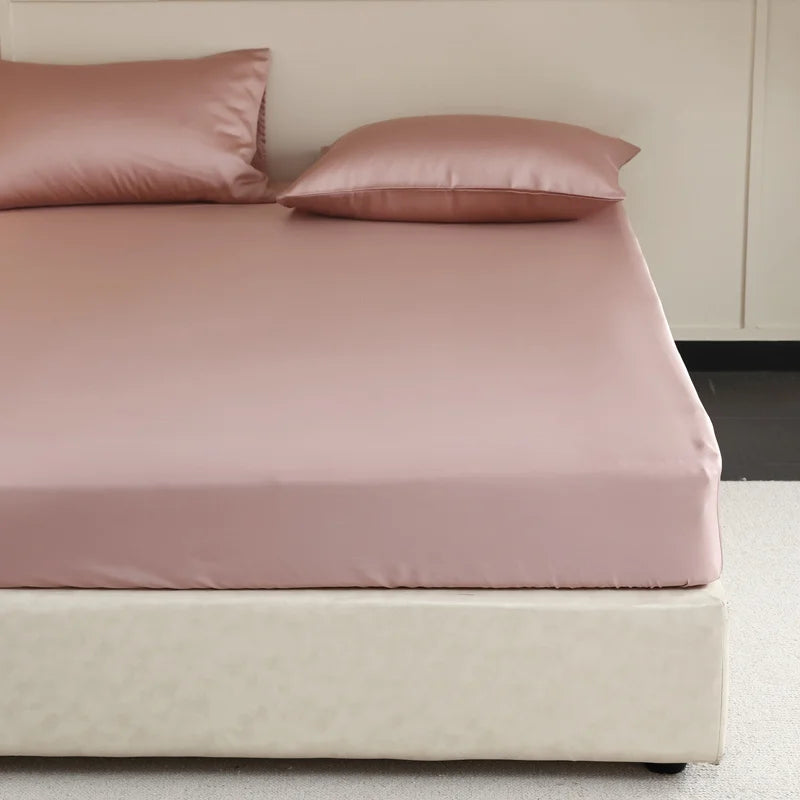
For an adjustable bed, confirm bedding compatibility with the exact bed and mattress before relying on a familiar size name. Record the model, approved mattress arrangement and relevant bedding requirements, then compare the selected sheet and other layers. A flat measurement alone does not answer every question about a moving setup.
This guide helps you prepare a useful supplier enquiry. It is not an operating, repair or medical guide, and it does not confirm that any Daylilt product is suitable for your adjustable bed. Follow the instructions supplied for the actual equipment and seek the manufacturer's advice where compatibility remains unclear.
Identify the actual bed, not the category
Start with the manufacturer's name and exact model from the supplied information. “Adjustable king” may be enough for an informal conversation but not for a reliable compatibility answer. Similar-looking beds can have different instructions and intended arrangements.
Keep the manual or official support page associated with that model. Check that the document covers your version rather than choosing the first search result containing the brand name. A later model or a similarly named range is not automatically the same product.
If you cannot identify the model, contact the supplier through the appropriate support route. Provide relevant information privately and avoid sharing unnecessary serial, order or household details publicly. Identifying the equipment is a useful first action, not a reason to start guessing about the bedding.
Use the manufacturer's scope carefully
Keep the document's version or date in your record as well as the brand. If the supplier sends a replacement document, ask whether it supersedes the information for your actual model. Do not combine a convenient sentence from one manual with a different model's illustration and call the result complete. The enquiry should preserve one coherent set of applicable instructions, with any clarification attached where the supplier says it belongs.
For example, TEMPUR's September 2024 bed instructions include additional adjustable-bed warnings and advise against accessories or attachments not recommended by the manufacturer. The document names exclusions, including Arc and ERGO Smart Base beds. It illustrates why a manual must be matched to the model, not treated as universal advice.
That example is not an endorsement of a particular bed or a list of approved bedding. It also does not establish that another manufacturer's requirements are identical. Use your own equipment's current instructions and ask about the exact arrangement you intend.
A shopping guide can help organise the questions, but it should not replace the manual. Keep important operating and safety information with the people who use the equipment. Do not compress an entire specialist document into a homemade note that omits its qualifications.
Separate the base, mattress and bedding
Make a simple list of the components: the adjustable base, the mattress and any approved additional layers, followed by the sheet, duvet and pillow arrangement. These are related, but they are not one specification. Confirm which supplier is answering which part of the question.
A bed manufacturer may identify suitable mattress arrangements while a bedding retailer describes its own sheet's dimensions and construction. Neither answer should silently be expanded into a guarantee about the whole combination. If the compatibility depends on both, put the relevant information together and ask.
Do not introduce a new topper, protector or attachment solely to solve a bedding issue without checking its suitability for the equipment. A change in one layer can create a different question from the one originally answered. Preserve the component list when the setup changes.
Measure according to the appropriate instructions
Use the bed and mattress manufacturer's guidance for the permitted measurement arrangement. Record actual mattress dimensions and any relevant depth information. Do not operate or reposition equipment in an unfamiliar way just to obtain a number for an online order.
Keep a flat footprint measurement distinct from a statement about intended fit. A bedding supplier may quote finished-item dimensions, a recommended mattress range or a pocket depth. Ask which meaning applies when the wording is unclear.
Our bedding measurement guide keeps mattress, duvet and pillow dimensions separate. Here those numbers are only part of the compatibility enquiry. They do not certify how an unverified product behaves with the actual adjustable arrangement.
Explain the setup you intend to use
Tell the supplier what is already present and what you propose to change. Be clear whether the purchase is a replacement for a sheet that has worked under the manufacturer's instructions, or a different construction you have never used with the bed.
Do not describe every adjustment angle or daily movement unless the supplier asks for it; provide the facts relevant to the product. The useful enquiry is precise enough to identify the arrangement without becoming a lengthy account of your entire routine.
If the bed is used under professional care advice, keep that advice separate from the retailer's product information. This article does not suggest changing the bed's use or a care plan to accommodate a preferred fabric. The bedding choice should fit the required arrangement, not redefine it.
Ask what the sheet specification actually establishes
Read the exact selected sheet style, dimensions and stated depth. Do not assume that every fitted sheet has the same construction or that a familiar size label represents an adjustable-bed recommendation. A product can be correctly described for ordinary use while compatibility with your equipment remains unconfirmed.
If a supplier uses words such as stretch or deep fit, ask what those mean for the specific product and intended mattress. Avoid converting an appealing descriptor into a promise that corners remain appropriate through every movement. Request relevant information rather than a general reassurance.
Likewise, a flat sheet is not automatically the solution to an uncertain fitted-sheet question. Its suitability still needs to be considered with the equipment's instructions and your actual arrangement. Compare the role of the piece, not a universal ranking of sheet types.
Do not improvise retention devices
If a sheet seems difficult to keep appropriately positioned, seek advice before adding straps, clips or another attachment. An accessory marketed for ordinary bedding should not be assumed compatible with a moving bed. Similar appearance is not evidence of intended use.
Follow the exact manufacturer's operating instructions and keep hands and objects away from any prohibited area. This article gives no procedure for reaching under the equipment, adjusting a mechanism or testing an improvised solution. A fitting problem should not become a repair experiment.
Do not use force to make a textile appear suitable. If a piece strains, catches or behaves in a way you cannot explain, stop the attempted arrangement and ask the appropriate supplier how to proceed. Do not keep repeating an uncertain action for the sake of a photograph or an imminent bedtime.
Look at the complete bedding purchase
When considering a set, identify every piece rather than treating the sheet choice as the whole order. The duvet cover and pillowcases have their own dimensions and practical roles. An acceptable answer about one component does not automatically confirm the others.
Daylilt's Moonlit listing describes one duvet cover, a selected flat or fitted sheet and two pillowcases as a four-piece set. That contents statement is not an adjustable-bed compatibility claim. The existing bedroom photograph also does not show a certified or assessed setup.
You may prefer to resolve one missing piece separately rather than buy a full collection while the central question remains unanswered. The purchase should match what has actually been confirmed. A coordinated appearance can wait if the functional arrangement still needs advice.
Include the person making the bed
Consider who changes the bedding and how the task is appropriately completed under the equipment's instructions. Do not assume the person choosing the colour is also the person handling every corner. A practical question raised by the regular user deserves space in the decision.
If the task is physically difficult, ask for appropriate help or advice rather than expecting a fabric change to solve access. Avoid moving heavy equipment or lifting a mattress in a way that exceeds comfortable capability. This guide cannot assess an individual's movement or handling needs.
Ask the manufacturer about any relevant procedure before using a technique found in a video for an ordinary fixed bed. A demonstration may omit the equipment features that matter to yours. Useful convenience comes from a supported arrangement, not simply a faster-looking method.
Keep care information component-specific
Read the care information for the exact textile separately from cleaning instructions for the bed and mattress. A coordinated colour does not establish shared treatment. Keep those instructions identifiable so another household member does not apply the wrong process.
Do not copy a method from a manual's upholstery section onto a sheet or pillowcase. The fact that a cleaning instruction appears in a bed document does not make it a bedding instruction. Match each recommendation to the component it actually concerns.
Before buying, consider whether you can follow the complete textile-care arrangement. The material you prefer may be suitable in principle but inconvenient for your household's ordinary care. That is a legitimate purchasing consideration without becoming a claim that the fabric is poor quality.
Write one compatibility enquiry
Use fields for bed make and model; mattress identification and relevant dimensions; approved additional layers; proposed bedding product and exact option; and the unanswered question. Attach only the relevant official specification where appropriate.
Ask the bed supplier about the equipment's requirements and the bedding supplier about its product. If an answer depends on information from the other, obtain that information rather than asking either person to guess. Keep the conversation focused on the arrangement you actually intend.
Record the answer with its date and exact scope. An answer about one sheet size, mattress or model should not become a household rule for every later purchase. If you change a component, check whether the previous clarification still applies.
An illustrative familiar-size mistake
Imagine a fictional buyer who knows their bed is described as king and selects a fitted sheet with the same label. Before ordering, they notice that the product's description says nothing about their adjustable model. They pause rather than treating the shared name as complete evidence.
They gather the model information and actual mattress details, then ask the relevant suppliers about the proposed option. The answer may support the purchase or lead them to another choice. The useful result is a decision based on the actual combination, not the confidence of a familiar label.
This is an illustrative purchasing example, not a report that a Daylilt product failed or succeeded. No customer experience or compatibility trial is being claimed. The article explains the question to resolve before becoming dependent on an unverified arrangement.
An illustrative attachment question
Now imagine someone already owns bedding that does not sit as expected. They see an online suggestion to add clips. Instead of copying it immediately, they check the bed's instructions and ask about the exact proposed attachment.
They describe what they observed without diagnosing a mechanism or declaring that a particular textile is defective. The relevant supplier can then ask for the information needed. A clear account is more useful than repeatedly trying variations while the underlying compatibility question remains open.
The answer may involve a different approved product or another appropriate arrangement. This example deliberately offers no installation or repair steps. The boundary is important: identifying an ordinary bedding inconvenience does not qualify a reader to modify moving equipment.
Review the delivered product before relying on it
Compare the actual selected item, labels and contents with the confirmed order. Keep the relevant information available before washing or altering anything. If the delivered option differs, use the current support process rather than forcing it into the planned setup.
Follow the manufacturer's appropriate instructions for first use. Do not turn a compatibility check into an unsupervised technical test or improvise movements to see what happens. Seek clarification where the proper procedure or expected arrangement is uncertain.
Resolve the moving-bed question before the colour decision becomes a commitment. Identify the equipment, keep component specifications separate and ask about the exact bedding option. A clear supported arrangement matters more than a size name, an accessory shortcut or a convincing bedroom photograph.



Leave a comment
This site is protected by hCaptcha and the hCaptcha Privacy Policy and Terms of Service apply.