

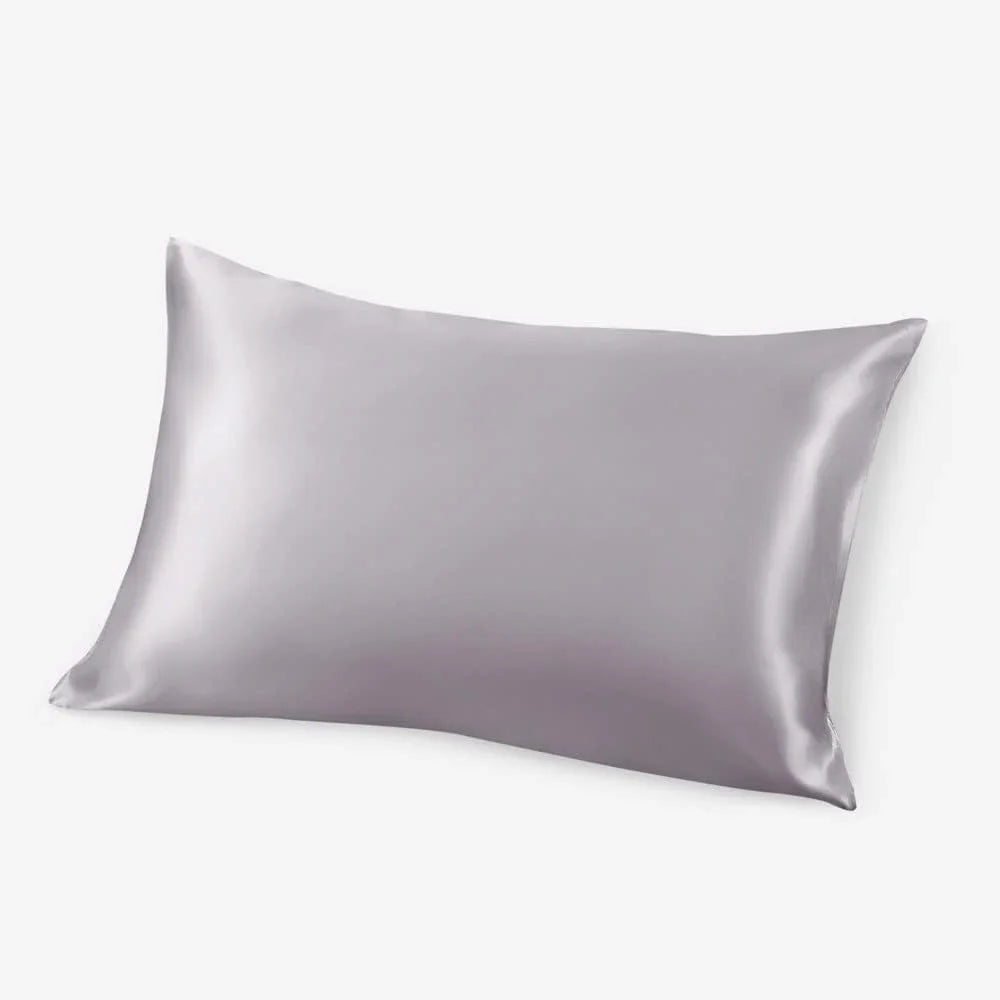
Read the complete care information before using or washing a new bedding set. Check each piece, understand both the permitted treatment and the restrictions, and resolve anything unclear with the retailer or manufacturer. A smooth appearance, familiar fibre name or matching colour is not a complete laundry instruction.
The useful moment to read the label is before the item is mixed with other washing. You can then decide whether the product fits the care routine available in your home. This is especially important when a set includes different components, or when you are combining a new pillowcase with bedding you already own.
Start with the exact item
Check the product and selected option against what arrived. Identify the sheet, duvet cover and pillowcases separately. A set's overall title may not contain every detail that matters to care, and a separately purchased piece may have different instructions.
Keep the supplied labels and information available while you make the first-use decision. Do not cut away identifying information simply because it looks untidy. If packaging contains relevant guidance, record it in a way that remains easy to match with the item.
When the delivered option differs from the order or the instructions conflict, contact the retailer before proceeding where appropriate. Follow the current support and returns information. A care question is easier to investigate while the original item, labels and packaging are available.
Read the whole sequence
The official GINETEX care-symbol reference covers washing, bleaching, drying, ironing and professional textile care. Its guidance explains that a wash number indicates a maximum temperature and that additional markings can alter the process. Reading only the number misses part of the instruction.
Use the official reference to interpret your actual label rather than memorising a partial rule from a social post. This article links to the reference; it does not reproduce the protected symbol artwork or assign a generic setting to Daylilt products.
A complete care decision includes the stages after washing. Before beginning, know how the item is intended to dry and whether any finishing treatment is permitted. A successful wash does not answer the remaining questions automatically.
Distinguish a limit from your chosen routine
A maximum stated on a label is not an instruction to choose the most intensive treatment every time. Equally, a programme name such as delicate does not establish suitability by itself. Compare the actual product guidance with the appliance's instructions.
If a machine offers a hand-wash-labelled programme, do not assume it is equivalent to an item's instruction to wash by hand. Ask the relevant manufacturer or retailer if the distinction matters. The name on the dial and the label on the fabric are separate sources of information.
Keep missing details unresolved rather than filling them with a guess. It is better to ask one clear question before the first wash than to discover afterwards that you assumed a particular temperature, spin or drying method applied.
Check construction as well as fibre
A textile item is more than its main fibre. Closures, trims, colour and finish can affect the care information supplied for the complete article. GINETEX's reference explains that care labelling takes sensitive components and finishes into account; the fibre name alone is not the whole instruction.
Look for zips, buttons or other details that have their own handling guidance. Do not remove or modify them to make the item fit a preferred process. If you cannot identify the intended arrangement, ask about the exact product.
This is one reason not to transfer instructions from another silk, silk-blend or satin item. Two visually similar fabrics can be part of differently constructed products. Matching the broad material word is not enough to justify copying the complete routine.
Keep colour information in view
Read any instructions supplied about colours, first use and other items in the same load. Do not assume that matching shades can be treated identically or that a pale item is unaffected by a restriction. Follow the specific guidance rather than building a laundry group from appearance alone.
If information about colour handling is absent and important to your decision, ask the retailer. Do not improvise a stain treatment or bleaching product because a general cleaning video recommends it. The exact item and treatment need to be compatible.
When comparing bedding before purchase, include these practical questions. A colour you love may still come with a care arrangement you cannot conveniently support. That does not make the product poor; it may make it the wrong choice for your routine.
Choose detergent through two sets of instructions
Check the bedding's supplied guidance and the cleaning product's own directions. The word gentle on a bottle does not answer every compatibility question. Use an appropriate product for the exact textile and follow the relevant dosing and use information.
Do not add several products in the hope of improving the result. A mixture that worked on another household item is not evidence for this bedding. If you need help with a stain or an uncertain product, ask an appropriate professional or the item manufacturer.
This article deliberately does not recommend a universal detergent, amount or treatment. Those details depend on the actual item and product instructions. The useful habit is reading both, not collecting a single shortcut for every fabric.
Plan the drying stage before washing
Check the permitted drying method and whether you have a suitable arrangement available. Do not begin a wash assuming you can decide later or use whichever appliance is free. A product's care routine has to fit the whole process, not only the first stage.
Keep drying items clear of unsuitable heat sources, obstructions and other household concerns, following the item and equipment instructions. Avoid improvising a faster method because you want the bedding back on the bed immediately.
If the required arrangement is impractical, consider timing, an appropriate spare or another product before purchase. A care routine that cannot be completed comfortably is a real buying consideration, not an inconvenience to ignore after the colour has been chosen.
Do not assume every piece in a room shares a routine
A coordinated bedroom may contain several separately purchased fabrics. The duvet cover, fitted sheet, throw and pillowcases can have different care information. Keep each piece's instructions identifiable even when the visual arrangement makes them look like one collection.
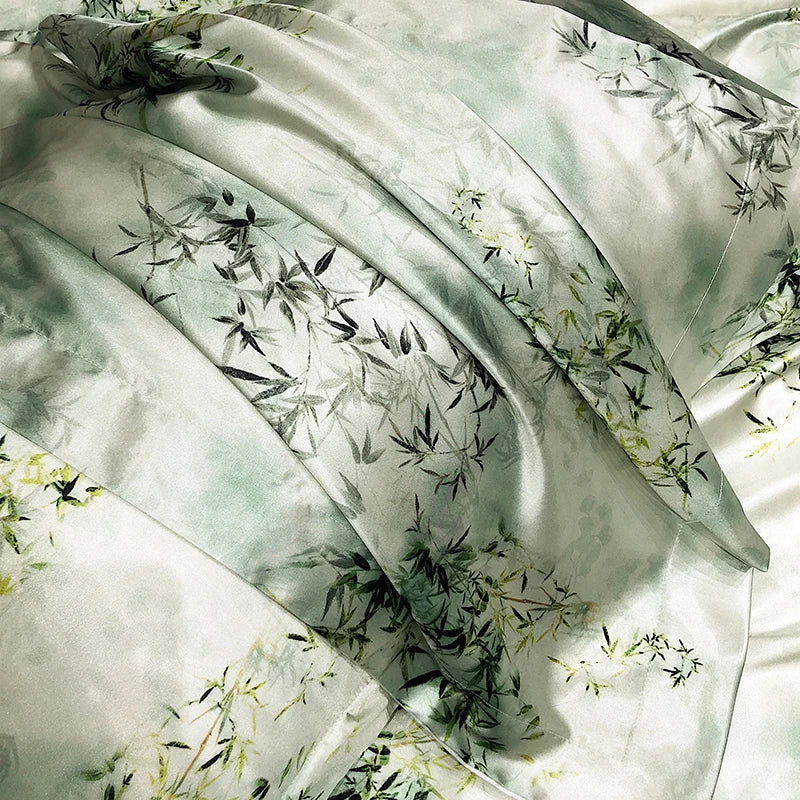
For example, Daylilt's Soft Horizon listing describes a four-piece set, while other listings offer separate options. That contents information tells you what to expect in the purchase; it does not establish one universal wash process for every Daylilt item.
Read the supplied care information for the exact delivered product. Do not infer a setting from the photograph or the name silk-blend. Product appearance and care evidence should stay separate throughout the decision.
Make a useful care record
Use the care requirements before purchasing
Compare the routine with the space, equipment and time available in your home. If an item requires a method you cannot conveniently complete, note that alongside its dimensions and price. A product can be well described and still be impractical for a particular household. The answer may be a different material, a smaller change to the bedding collection or a purchase made when the necessary arrangement is available.
Consider a fictional buyer choosing between a separate pillowcase and a full set. The smaller item may fit their current care arrangement, while the complete set raises a drying-space question they have not resolved. That does not prove the pillowcase is the better product. It shows that purchase size and care logistics belong in the same decision. Ask the missing question before assuming every piece can follow the routine already used for another set.
Keep the comparison specific. “This requires more attention than I can give it” is a useful personal reason to choose differently. “Delicate bedding is always inconvenient” turns that experience into an unsupported rule for everybody else.
Use a short note with the product name, exact option, relevant pieces, label photograph or instruction reference, confirmed process and unanswered question. Date the record if you later receive clarification. Keep it somewhere the person handling laundry can find.
Record wording accurately rather than translating it into a broader household rule. “Follow this item's supplied drying instruction” is better than an unsupported note that all bedding from the brand can use the same appliance. The record should preserve the distinction you just checked.
If the label is unreadable in a photograph, take a clearer one rather than guessing. Keep personal order details out of any image shared publicly. Send product-specific questions through the retailer's appropriate private support channel.
Ask one answerable question
Name the exact product and option, state which instruction is unclear and ask for the missing detail. For example: “The label on this item states hand washing. Can you confirm the recommended drying arrangement for this exact option?” This is an illustrative enquiry, not a statement about a specific Daylilt label.
Do not ask a retailer to endorse a method you have already decided to use without explaining it. If you are considering a particular appliance setting, identify it accurately and include the relevant manufacturer information where useful.
Keep the response with the product record. A verbal answer may be helpful, but a clear written clarification is easier to share with another household member. Do not generalise it to unrelated products or future ranges.
An illustrative mixed-bedding example
Imagine a household with a new pillowcase and an existing duvet cover in a similar colour. The shopper assumes they can be washed together because both look glossy. Before the first wash, they compare the supplied care information and discover that the routines differ.
They keep the pieces separate as required and update the care record. No claim is made that either fabric is better. The useful result is simply that appearance did not substitute for the complete instruction.
This is a fictional example, not a report about any Daylilt product. It illustrates the question to ask whenever you combine pieces: which part of the care arrangement is actually shared, and which part has merely been assumed?
An illustrative incomplete-label example
Now imagine a set arrives with a care detail the buyer cannot interpret. They still have the packaging and have not begun washing. They send the retailer the exact product and a clear photograph, then wait for the relevant clarification.
The alternative—choosing a familiar programme and hoping—would create uncertainty about both the original instruction and the treatment applied. Asking first preserves the ability to make an informed decision and to follow the current support process if something differs from the order.
The example is not a recommendation to delay every normal first use. It is a reminder that unresolved care information deserves an answer when it changes what you should do.
Share the information before sharing the laundry task
If another person handles the wash, show them the product-specific record and where the actual instructions are kept. Do not assume they know that the new item differs from the familiar set. A brief handover can prevent a repeated household routine being applied automatically.
Keep the ready, used and awaiting-clarification pieces distinguishable. A neatly folded item does not communicate its status. Our bedding inventory guide offers a simple way to record those differences without building an elaborate system.
Update the record when a new piece enters the collection. The care routine should follow the exact item, not the shelf where it happens to live. This makes the information useful beyond the first wash.
Use advice at the right level
Our silk-pillowcase care article provides additional background, but the supplied instructions for the actual item remain essential. General education should help you read the label, not persuade you to ignore a difference.
A fabric forum, video or review can raise a useful question. It cannot establish that another person's treatment is approved for your exact product. Keep informal experience in its proper place and seek reliable clarification where the answer matters.
The best first step is understanding the complete label. Identify the item, read every stage and confirm what is missing before choosing a routine. Care information is part of the product you are buying, not an afterthought once it reaches the laundry basket.


Leave a comment
This site is protected by hCaptcha and the hCaptcha Privacy Policy and Terms of Service apply.